
The Home of Super Tough
A brand that proudly represents the spirit of liberty and freedom through exceptionally crafted American flags.
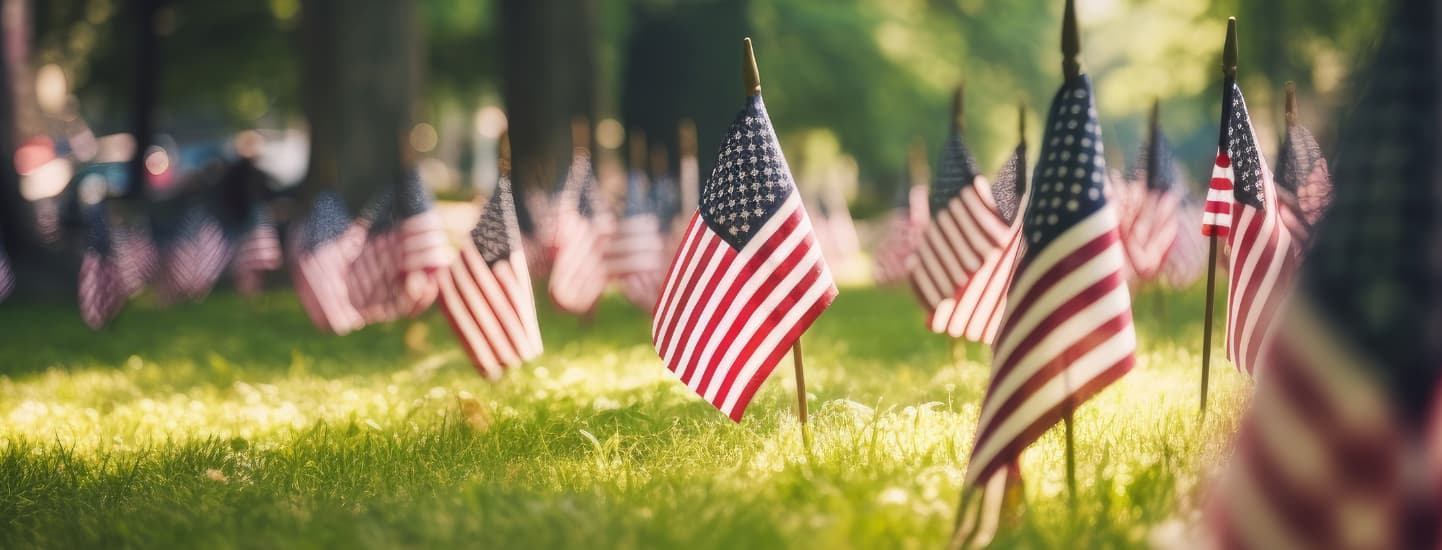
Proudly Made in the USA
Our commitment to quality is unwavering. Join us in celebrating the spirit of liberty and freedom with stars and stripes lovingly stitched by skilled American artisans.
Stick Flag Season is Coming!
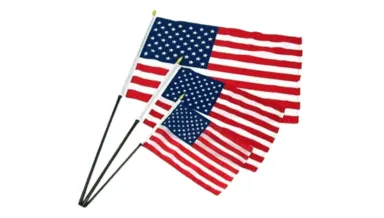
Save 10% on Stick Flags & Mounts for a limited time.


Super Tough







Started by one man in a garage who wanted to help his fellow Americans through the flag shortages caused by the September 11th attacks. Today, we are located in New Stanton Pennsylvania, near the Flight 93 memorial and 3 historical forts.
The United States Flag Store is currently one of the largest online vendors of American Flags along with a variety of other flags as well that includes: State Flags for all 50 of the United States, World Flags for countries all across the globe, and Military Flags for every branch of the military within the United States. We also carry Flagpoles of all types from indoor flag kits to residential and commercial grade flagpoles. We have a number of Decorative Flags to furnish around any major American holiday for parties, barbeques, and just because. You will also find Flag Accessories to keep your flagpole in tip-top shape and Display Cases for folded American flags to proudly display in your home.
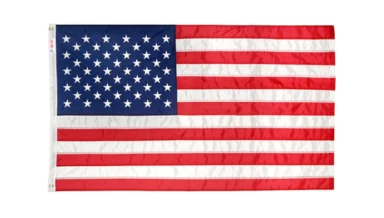
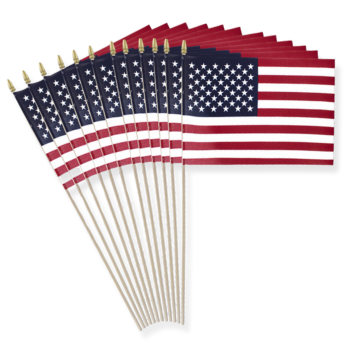
With a name like The United States Flag Store, it should come as no surprise that what we do best and one of our most popular items is our United States Flags. Coming in a variety of different sizes our smallest being handheld stick flags that measure 4 inches by 6 inches. These are great to hand out at parties, parades, and political events. Up to some of our biggest American flags measuring 20ft by 30ft, made to tower over any business or industrial plot and wave large, in charge, and proud. We also carry everything in between these two juxtaposing sizes with banner flags at 4ft by 6ft, which look great waving from larger buildings and apartment complexes to the classic 3ft by 5ft flag made to look right at home waving majestically in front of yours.
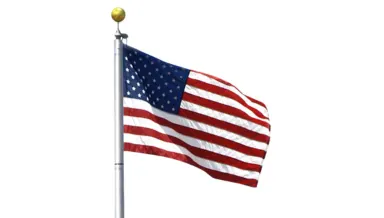
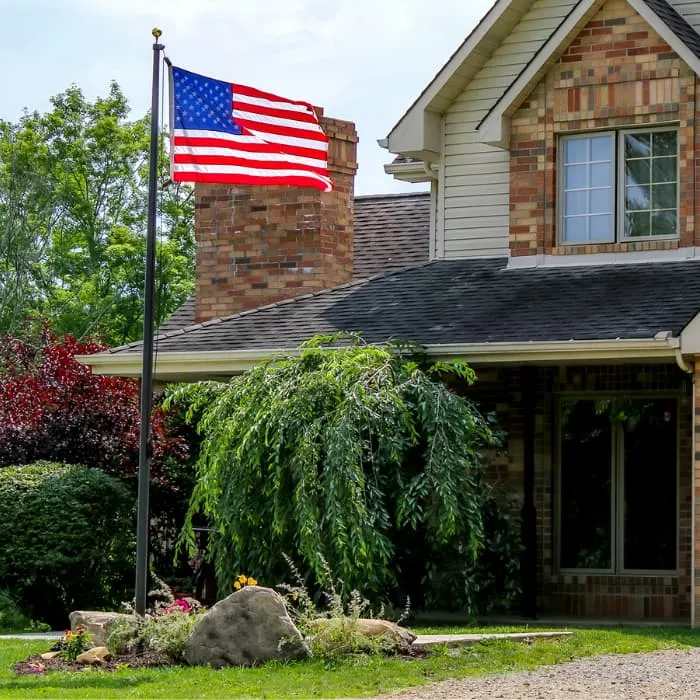
As you can tell, we love flags. So, it should come as no surprise that we love to display them too! I'm talking about flagpoles in all their glory. From Residential to Wall Mount Flagpoles for your front yard or porch to Commercial Grade Aluminum Flagpoles fit for any home or business that wants to take their flagpoles to the next level. These are available in heights from 20ft up to 130ft. We also carry Garden Flag Holders to spruce up your outdoor oasis and Indoor Flag Kits to bring some extra zest and class to the home, office, or school.
To find our American-made flags, it's as simple as following the link to our Made in the USA category. Here you are going to find just a taste of what we have to offer. This is going to include 100% American Made, United States Flags, Pleated Fans, and Stick Flags. These items can also be found and searched for in their own individual categories too.
The brands we offer here at the United States Flag Store include some of the most significant and recognizable names in the industry.
The first we are going to talk about is Annin Flagmakers. They are an American-based company and one of the oldest and wide-reaching manufacturers of American flags in the world. They have been making the Star-Spangled Banner since 1847. Annin has seen their American flags participate in some of the most notable events in history including:Abraham Lincoln's formal admission to office,Apollo 11's 1969 mission to the moon and the grand opening of the Brooklyn Bridge.Annin also had their hand in the initial inception and design of the POW/ MIA flag,
The next brand that we love to promote is Valley Forge. This is another American-based brand and they have been around since 1882. They offer top-tier products at accessible prices and have provided most of the United States flags used by the United States military starting around World War II and continuing to do so up until the present day. They have seen their flags throughout history as well, most notably in and for the Armed Forces. A Valley Forge flag was present:Storming the beaches of Normandy and throughout the European Campaign during World War II, with the Pacific Fleet that turned the tide of the Second World War and at the funerals of past American Presidents, Dwight D. Eisenhower, Lyndon B. Johnson, Richard Nixon, and John F. Kennedy.
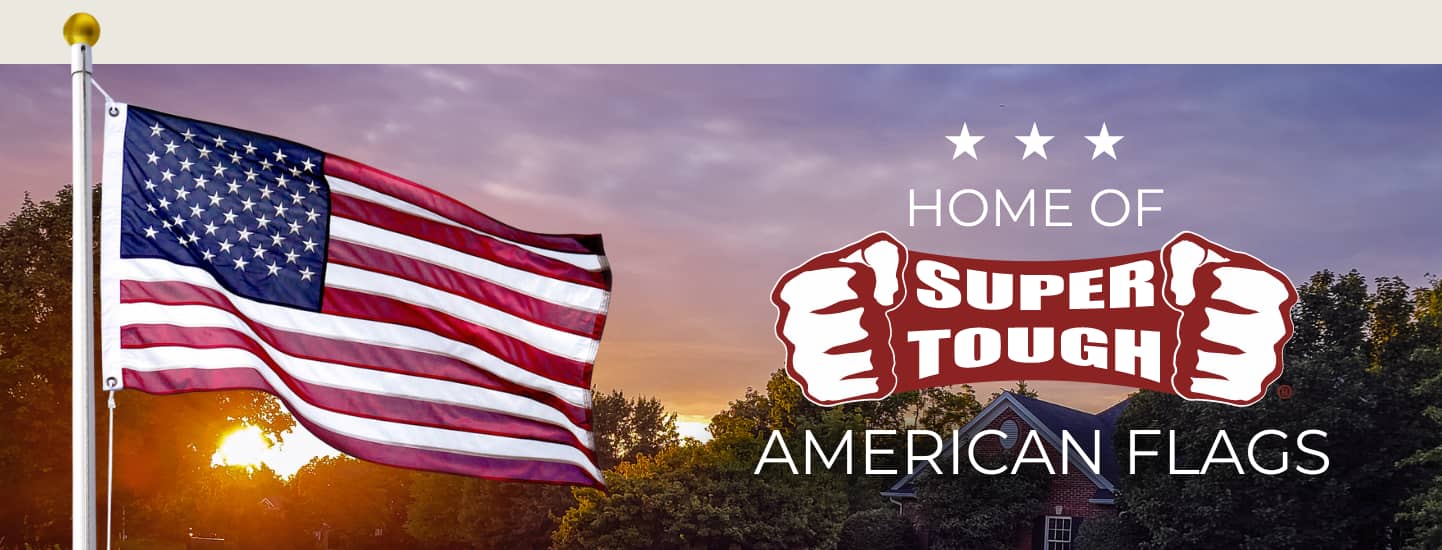
We also carry our very own brand, Super Tough. These products earn their stars and stripes for being some of the toughest flags on the market. They are comparable to both Annin and Valley Forge in their quality and durability. With a wide selection of flags, flagpoles, decorative flags, and flag accessories, Super Tough has you covered at an ambitious price. You can also learn more about our other brand of products Super Knit which is made of polyester.
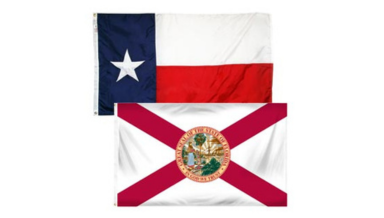
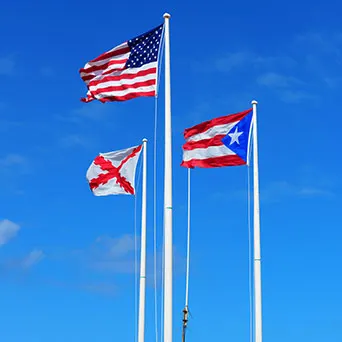
To show pride in your home state or even U.S. Territory at your home or business, we have got flags for that too! All 50 states from Alabama to Wyoming are in stock and ready to ship. We even have flags for the United States Territories including, Guam, the Virgin Islands, Northern Marianas, Puerto Rico, and American Samoa. Browse our collection of International Flags with flags from over 200 countries! From Aruba to Zimbabwe, the United States Flag Store has them and loves to celebrate our diversity and brothers and sisters from all walks of life.
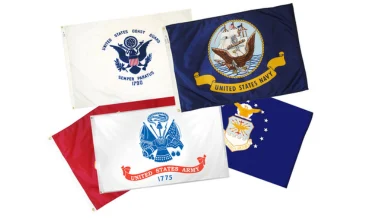
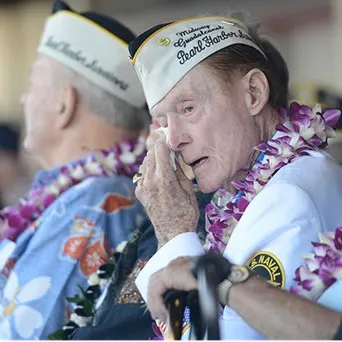
You can show your support for the valorous servicemen and women with our selection of flags from the different branches of the United States Military. You will find official flags from the United States Army, Navy, Marine Corps., Air Force, Coast Guard, and even flags from the most recent division of Space Force. These are going to come in a variety of different sizes and pricing options.
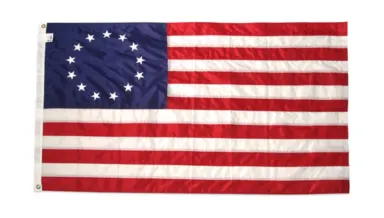
To honor and remember those that gave their all, we have POW/ MIA Flags, These serve as a solemn reminder to both these people and their families that their legacy will live on, and while they may be gone, they are not forgotten. For the history buff who has to have their hand on the truly iconic and memorable flags of yesteryear, we have a great selection of Historical Flags to choose from. This includes flags from the Revolutionary War like the Betsy Ross Flag and the Grand Union Flag to flags from the Civil War and more!
For the brave men and women whose job is to serve and protect as well as to be always ready, we have Police and Firefighter Flags. This is a great way to show your support for these folks that hold it down and put their lives on the line every day in our communities. Putting up a simple flag for the Fire Department, Police, and Emergency Medical Service can go a long way in boosting their morale as well as boosting yours and your neighbor's.
And if you are looking for a cute garden flag to put up in your front yard and welcome visitors to your humble abode, we have got some wonderful options in our decorative flags. From warm sentiments to welcoming each new season that rolls in, you are sure to find a lovely garden flag that showcases you and your personality.For the promotion of a special event or local business, check out our Message and Advertising Flags. From welcoming your customers or patrons to letting them know what to expect in regard to services, beverages, and food. To bring people into your business and let them know you are, well, open for business, we carry several Open Flags and Banners.
Are you looking to design a flag for yourself or your business? We can actually help you custom make a flag for you or your company to be used in a special event, promotional use, or just because. Visit our custom flag page and send us your design and we will take care of the rest!
Flag Day is celebrated every year on June 14th. It observes the adoption of the American Flag in 1777. It is an annual celebration of the ideals and freedoms that the flag stands for. On this day, many Americans fly the flag with pride and honor for the courageous men and women of the armed forces who serve and protect our nation.
Flag Day is an important part of American culture and is celebrated with parades, ceremonies, and special events. Many towns, cities, and organizations hold Flag Day celebrations, often with a parade of flags and patriotic music. For some, Flag Day is also a time to remember those who have made the ultimate sacrifice and given their lives in service to their country.
This time also serves as an opportunity to reflect on the nation’s history and the values that make America unique. It is a day for Americans to come together, celebrate the nation and its citizens, and show their pride in the United States of America.
If you are interested in learning more about the History of the American Flag, click here. We go over some of the most popular flags from America's history and what makes them what they are and where they come from.
To read more on proper Flag Etiquette, we cover this subject pretty extensively as well. This is going to include rules, codes, displays, and general respect encompassing the American flag.